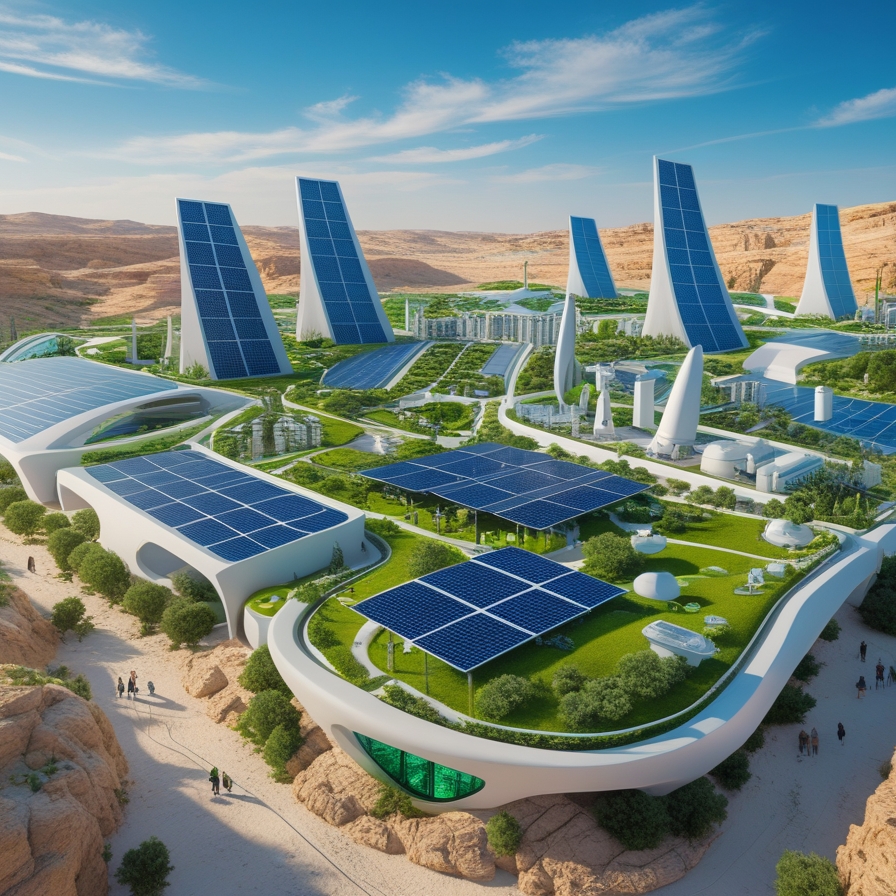
The Future of Sustainable Illumination: LED Lighting and Green Technology
In the rapidly evolving landscape of technology, one of the most significant advancements in sustainable practices has been the rise of LED lighting. As the world grapples with the urgent need to reduce carbon emissions and conserve energy, LED lighting has emerged as a cornerstone of green technology, offering both efficiency and environmental benefits that far surpass traditional lighting solutions.
Understanding LED Lighting: The Basics
Light Emitting Diodes (LEDs) are a type of solid-state lighting that use a semiconductor to convert electricity into light. Unlike incandescent bulbs, which rely on a filament to produce light, or fluorescent lamps that use gas, LEDs generate light through the movement of electrons in a semiconductor material. This process is not only more energy-efficient but also produces less heat, making LEDs a safer and more sustainable lighting option.
The evolution of LED technology has been driven by a combination of scientific innovation and the growing demand for energy-efficient solutions. Early LEDs were limited in brightness and color range, making them suitable primarily for indicator lights and electronic displays. However, advances in materials science and semiconductor technology have led to the development of high-power LEDs that can produce a broad spectrum of colors and sufficient brightness for general illumination.
The Environmental Impact of LED Lighting
One of the most compelling arguments for adopting LED lighting is its significantly reduced environmental impact compared to conventional lighting technologies. Traditional incandescent bulbs are notoriously inefficient, converting only about 10% of the energy they consume into visible light, with the remaining 90% lost as heat. In contrast, LEDs convert approximately 95% of their energy into light, with only 5% wasted as heat.
This high efficiency translates into substantial energy savings, which can lead to a significant reduction in carbon emissions. According to studies, widespread adoption of LED lighting could reduce global electricity consumption by up to 15%, equivalent to eliminating the need for over 1,400 power plants. This reduction in energy use directly contributes to lower greenhouse gas emissions, making LED lighting a critical component of any strategy aimed at combating climate change.
In addition to energy savings, LEDs have a much longer lifespan than traditional lighting technologies. While incandescent bulbs typically last around 1,000 hours and compact fluorescent lamps (CFLs) last around 8,000 hours, LEDs can last up to 50,000 hours or more. This longevity not only reduces the frequency of bulb replacements, thereby saving resources and reducing waste, but also lowers the overall environmental footprint associated with lighting.
LED Lighting and Green Technology: A Symbiotic Relationship
The integration of LED lighting into green technology initiatives has been a natural progression, given the alignment of their goals. Green technology, broadly defined, encompasses any innovation that seeks to minimize environmental impact and promote sustainability. LED lighting fits squarely within this definition, offering a host of benefits that support the principles of green technology.
One of the primary advantages of LED lighting within the green technology framework is its compatibility with renewable energy sources. LEDs operate on low-voltage direct current (DC) power, which makes them ideally suited for use with solar panels and other renewable energy systems. This compatibility enhances the overall efficiency of renewable energy installations, enabling more effective use of clean energy.
Moreover, LED lighting can be seamlessly integrated into smart grid systems, which are a key component of the future of green technology. Smart grids use advanced communication and control technologies to optimize the distribution and consumption of electricity. LEDs, with their instant-on capability and dimming flexibility, are well-suited to participate in these systems, allowing for dynamic control of lighting based on real-time energy availability and demand.
The Economic Benefits of LED Lighting
Beyond its environmental advantages, LED lighting also offers significant economic benefits. Although the initial cost of LED bulbs is higher than that of traditional bulbs, the long-term savings more than compensate for this upfront investment. The energy efficiency of LEDs results in lower electricity bills, while their extended lifespan reduces maintenance and replacement costs.
For businesses and governments, these savings can be substantial. For example, municipalities that switch to LED street lighting can reduce their energy consumption by up to 50%, leading to millions of dollars in savings over the lifetime of the lighting infrastructure. Similarly, businesses that adopt LED lighting in their facilities can expect to see a rapid return on investment through reduced operating costs.
In addition to direct savings, the adoption of LED lighting can also yield indirect economic benefits. For instance, the reduction in energy demand associated with widespread LED adoption can decrease the need for new power plants and reduce the strain on existing energy infrastructure. This, in turn, can lead to lower energy prices and increased energy security.
Innovations in LED Lighting and Green Technology
The ongoing development of LED lighting technology continues to push the boundaries of what is possible, driving further improvements in energy efficiency, light quality, and application versatility. One of the most exciting areas of innovation is the integration of LED lighting with the Internet of Things (IoT), which enables advanced features such as automated control, remote monitoring, and data-driven optimization.
For example, IoT-enabled LED lighting systems can be programmed to adjust their brightness and color temperature based on factors such as time of day, occupancy, and natural light levels. This not only enhances energy efficiency but also improves the comfort and well-being of occupants. Furthermore, these systems can collect and analyze data on lighting usage patterns, providing valuable insights that can inform future energy-saving strategies.
Another promising area of innovation is the development of organic LEDs (OLEDs), which offer unique advantages over traditional LEDs, such as the ability to produce flexible and transparent lighting panels. OLEDs are made from organic materials that emit light when an electric current is applied, and they have the potential to revolutionize lighting design by enabling new forms of illumination that are not possible with conventional technologies.
LED Lighting in the Built Environment
The adoption of LED lighting in buildings is a critical step toward achieving greater energy efficiency and sustainability in the built environment. Buildings account for a significant portion of global energy consumption, and lighting represents a major component of this energy use. By replacing traditional lighting systems with LEDs, building owners and managers can dramatically reduce their energy consumption and associated carbon emissions.
In addition to energy savings, LED lighting offers several other advantages in the built environment. For example, LEDs can be easily integrated into architectural designs, providing creative lighting solutions that enhance the aesthetic appeal of spaces. LEDs are also available in a wide range of color temperatures, allowing for precise control over the ambiance and functionality of different areas within a building.
Moreover, the durability and reliability of LEDs make them ideal for use in challenging environments, such as outdoor spaces, industrial facilities, and areas with harsh weather conditions. LEDs are resistant to shock, vibration, and extreme temperatures, which contributes to their long lifespan and low maintenance requirements.
The Role of Government and Policy in Promoting LED Lighting
Government policies and regulations play a crucial role in promoting the adoption of LED lighting and advancing green technology initiatives. Many countries have implemented energy efficiency standards that require or incentivize the use of LED lighting in new construction and renovation projects. These standards are often accompanied by financial incentives, such as rebates and tax credits, that help offset the initial cost of LED lighting installations.
In addition to direct incentives, governments can also promote LED lighting through public awareness campaigns and educational programs. By highlighting the environmental and economic benefits of LEDs, these initiatives can encourage consumers and businesses to make the switch to more sustainable lighting solutions.
Furthermore, international agreements and initiatives aimed at reducing carbon emissions and combating climate change, such as the Paris Agreement, provide a framework for global cooperation on the promotion of energy-efficient technologies, including LED lighting. By aligning national policies with these global goals, governments can accelerate the transition to a more sustainable and energy-efficient future.
Challenges and Future Directions
While LED lighting has made significant strides in recent years, several challenges remain that must be addressed to fully realize its potential as a green technology. One of the primary challenges is the disposal of LED products at the end of their life cycle. Although LEDs do not contain hazardous materials like mercury, which is found in CFLs, they do contain electronic components that require proper recycling to prevent environmental harm.
Another challenge is the issue of light pollution, which can be exacerbated by the widespread use of outdoor LED lighting. Light pollution refers to the excessive or misdirected artificial light that can disrupt ecosystems, interfere with astronomical observations, and negatively impact human health. To mitigate this issue, it is essential to design and implement LED lighting systems that minimize light spill and glare while still providing adequate illumination.
Looking to the future, ongoing research and development efforts are focused on improving the efficiency and performance of LED lighting, as well as expanding its applications in new and innovative ways. For example, researchers are exploring the use of LED lighting in agriculture, where it can be used to optimize plant growth and reduce energy consumption in indoor farming operations.
In addition, advances in materials science are paving the way for the next generation of LEDs, which may offer even greater efficiency, color rendering, and versatility. As these technologies continue to evolve, LED lighting is poised to play an increasingly important role in the global effort to build a more sustainable and energy-efficient world.
Conclusion
LED lighting represents a powerful convergence of technology and sustainability, offering a solution that not only meets the growing demand for energy efficiency but also supports the broader goals of environmental stewardship and climate change mitigation. As green technology continues to advance, LEDs will undoubtedly remain at the forefront of the movement toward a more sustainable and energy-efficient future. Through ongoing innovation, policy support, and public awareness, LED lighting can help pave the way for a brighter, greener tomorrow.